

To open a longevity clinic in Austin, start with your service list, because it decides how much space you need and what the buildout costs. Then look near your clients (the west side, central Austin, or north Austin around the Domain), screen each space for power, plumbing, floor capacity, and parking, and negotiate a lease with a broad use clause, a buildout allowance, and a permit contingency. Plan on 9 to 15 months from search to opening.
Start with the services, not the space
Longevity clinics range from a physician-led practice doing consults, labs, and hormone therapy to a full recovery center with hyperbaric chambers, cryotherapy, saunas, and cold plunges. Each service has its own space needs, so list what you will offer on opening day and what you expect to add within three years. Leasing space that cannot handle a later addition, such as a hard-shell hyperbaric chamber, is an expensive mistake.
Before you tour, settle the business structure with a Texas healthcare attorney. Texas restricts who can own and control a medical practice, and how your clinic is organized affects who signs the lease and who must guarantee it.
How much space does a longevity clinic need?
| Clinic model | Typical services | Rough size |
|---|---|---|
| Consult and IV focused | Physician consults, labs, IV therapy, hormone care | About 2,000 to 3,000 SF |
| Clinic plus recovery | Above, plus red light, compression, one or two saunas or plunges | About 3,000 to 4,500 SF |
| Full longevity center | Above, plus hyperbaric oxygen, cryotherapy, imaging, lounge | About 4,000 to 6,000 SF or more |
These are planning ranges, not rules. Your peak-hour client count, treatment length, and staff size set the final number. Our office space calculator can help with the staff and admin side.
Where to open in Austin
Longevity and healthy-aging services are mostly cash-pay or membership-based, so location follows household income and lifestyle:
- Westlake, Bee Cave, and Lakeway. Affluent, health-focused households and limited competition for good space. See medical and wellness space in Bee Cave and Westlake and Bee Cave.
- Central Austin. Tarrytown, Clarksville, and the neighborhoods near downtown put you close to professionals’ homes and offices.
- North Austin and the Domain. High-income households and employers, with more newer buildings to choose from.
Clients often come weekly, so drive time and easy parking beat a prestigious address. A clinic 10 minutes from its clients usually outperforms a better-known location 25 minutes away.
Buildout: what each service needs
The buildout is usually the biggest cost, so screen every space against your services:
- Consults, labs, and IV therapy: exam and treatment rooms, a sink in most rooms, a lab draw area, secure medication storage, and medical waste handling.
- Hyperbaric oxygen (HBOT): hard-shell chambers are heavy and use oxygen, so confirm the floor can carry them and plan for fire code review. Soft-sided chambers are lighter but still need power and clearance.
- Cryotherapy: nitrogen-cooled units need ventilation and oxygen monitoring; electric units need high-capacity power.
- Saunas, cold plunges, and contrast therapy: dedicated electrical circuits, water supply, floor drains, waterproofing, and HVAC sized for humidity.
- DEXA and other imaging: X-ray equipment must be registered with the Texas Department of State Health Services, and the room may need a shielding evaluation.
- HVAC and hours: early mornings and evenings are prime time for these clinics, so confirm after-hours HVAC is available and what it costs.
A former medical, dental, or physical therapy suite often has much of the plumbing and room layout in place. Read about second-generation medical space.
Retail center or medical building?
Retail centers give visibility and easy parking, which helps a membership clinic or recovery studio market itself. The tradeoffs are a heavier buildout and the risk that another tenant holds an exclusive covering your services.
Medical office buildings are often already plumbed and feel clinical, which suits physician-led programs. They usually offer less visibility and may restrict signage.
Either way, confirm the zoning allows your use before you sign. Different cities around Austin (Austin, West Lake Hills, Bee Cave, Lakeway, and others) each have their own zoning and permitting.
What will it cost?
Austin medical office asking rent averaged $38.26 per square foot per year in Q1 2026, according to Matthews using CoStar data, and most medical space is quoted triple net (NNN), so you also pay a share of taxes, insurance, and maintenance. West side and newer buildings often run above that average. See how much medical office rent costs in Austin and how NNN and CAM charges work, and run your numbers in the lease cost calculator.
Lease terms to negotiate
- Use clause: broad enough for the services you offer now and later, such as “medical, wellness, aesthetic, and related services.”
- Exclusive: in a retail center, ask the landlord not to lease to a competing longevity clinic, med spa, or IV studio.
- Tenant improvement allowance and free rent: money toward the buildout, and enough free rent to cover construction.
- Permit contingency: the right to walk away if you cannot get permits for HBOT, cryotherapy, imaging, or your planned use.
- Assignment: the right to transfer the lease if you sell the practice.
- Personal guarantee limits: ask for a guarantee that shrinks or ends after a period of on-time payments.
Our guide to commercial lease terms that matter explains each one.
Timeline from search to opening
| Step | Typical time |
|---|---|
| Search and tours | 2 to 3 months |
| Letter of intent and lease negotiation | 1 to 2 months |
| Design, engineering, and permits | 2 to 3 months |
| Buildout and equipment install | 3 to 6 months |
A second-generation suite can cut several months. Start the search 12 to 15 months before you want to open, and earlier if you need a hard-shell hyperbaric chamber or imaging.
How we help
We represent clinics as tenants: we find every space that fits your services, on and off market, check the power, plumbing, floor capacity, parking, and use restrictions before you commit, and negotiate the lease. The landlord typically pays our fee. Learn more about tenant representation and medical office space, or contact us and call 512-580-7800 to start.
FAQ
Frequently asked questions
How much space does a longevity clinic need?
A clinic focused on consults, labs, and IV therapy can often fit in about 2,000 to 3,000 square feet. Adding hyperbaric oxygen, cryotherapy, saunas, cold plunges, and a recovery lounge can push the need toward 4,000 to 6,000 square feet. Your service list and peak-hour client count set the real number.
Where should I open a longevity clinic in Austin?
Near the clients who pay for preventive and performance care: Westlake, Bee Cave, and Lakeway on the west side, central neighborhoods like Tarrytown and Clarksville, and north Austin around the Domain. Drive time from clients' homes and offices matters more than a famous address.
Can a longevity clinic lease retail space?
Often, if the zoning allows medical use and no other tenant holds an exclusive on similar services. Retail suites give visibility, but many need a full medical buildout, so compare that cost against a former clinic or medical office suite.
How long does it take to open a longevity clinic?
Plan on 9 to 15 months from starting the search to opening when the space needs construction: about 2 to 3 months to find space, 1 to 2 to negotiate, 2 to 3 for design and permits, and 3 to 6 for the buildout and equipment.
Who pays the real estate agent when a clinic leases space?
In most Austin leases the landlord pays the brokerage fee, so tenant representation typically costs the clinic nothing.
About the author
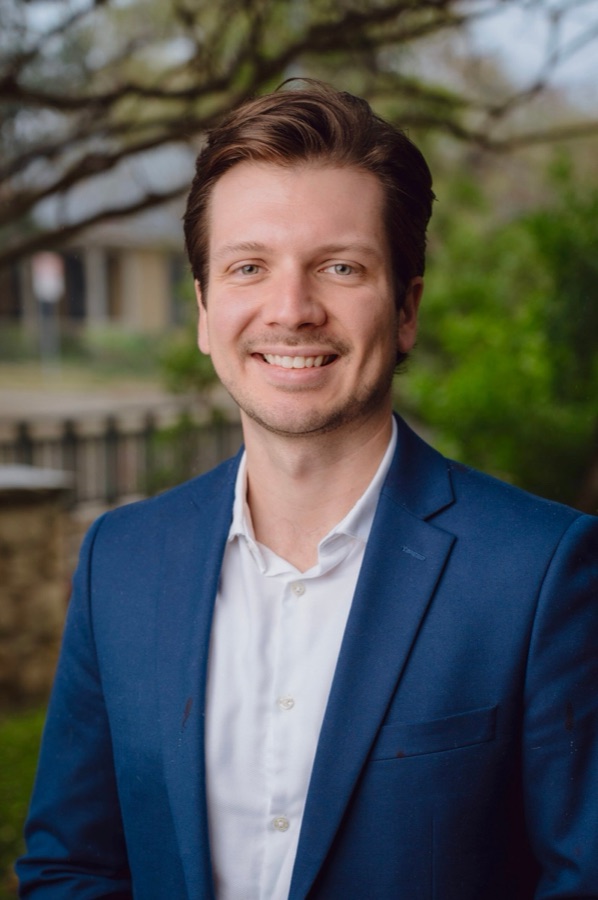
Tristen Palori is a licensed commercial real estate agent with Foresite Commercial Real Estate and leads Austin Commercial Sites, the firm's Austin team. He has worked Austin office, retail, medical, and industrial deals since 2019. More about Tristen.

